
European Conference on Ecological Modelling

SCIOM contributed to the following research presented at ECEM 2023:
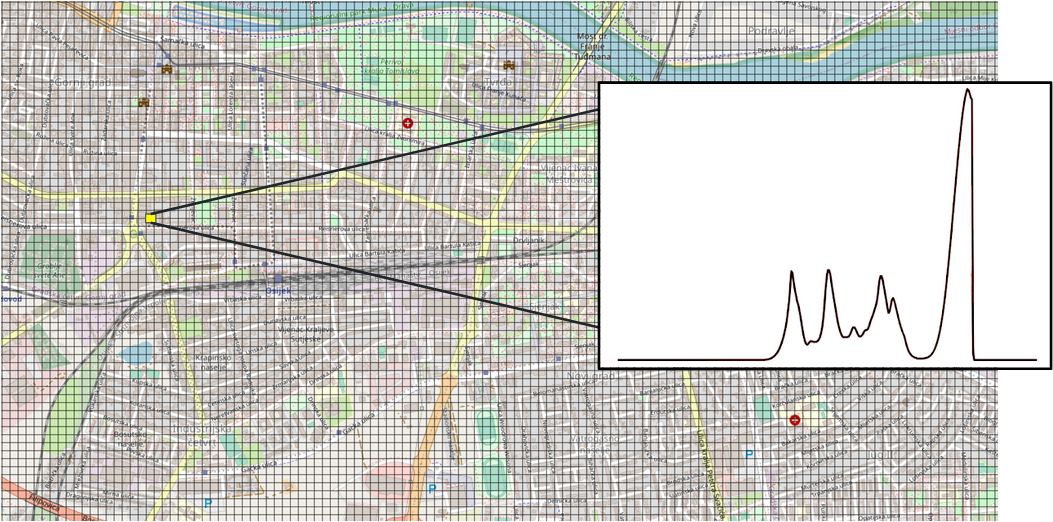
1. Why matrix mosquito population models and remote sensing go hand in hand?
This talk showcased the integration of climate-driven matrix population models with remote sensing data to study mosquito population dynamics. Age- and stage-structured models were parameterised for two representative species and applied to high-resolution environmental grids. Daily dynamics and spatial dispersal were simulated from 2000 to 2022 using Copernicus-derived datasets. Results showed strong agreement with field data and highlighted the importance of combining satellite data with ecological models to improve mosquito control planning and disease risk assessment.
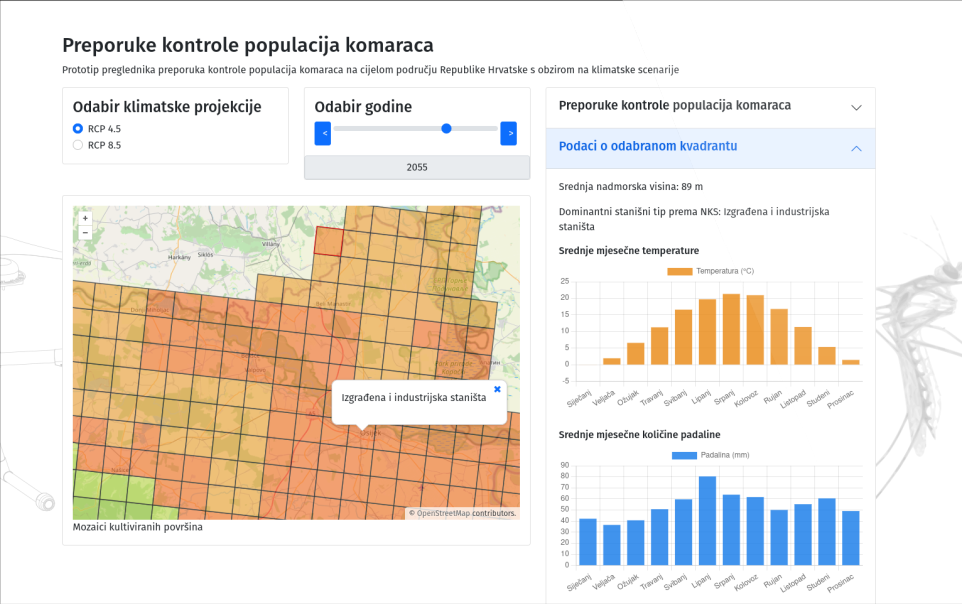
2. Predicting the expansion and redistribution of mosquito species under climate change in Croatia
This presentation was focused on predicting how climate change could alter the distribution and activity of mosquito species in Croatia. A deep learning model was developed and trained on global occurrence data to estimate future range shifts under different climate scenarios. Environmental variables were extracted from high-resolution climate simulations, and predictions were conducted at a 5 km × 5 km resolution. It was shown that species such as Aedes albopictus may significantly expand their range and activity period due to rising temperatures and changing precipitation patterns. These findings were generated as part of the CADAPT project and are being used to inform climate-adaptive mosquito control strategies.
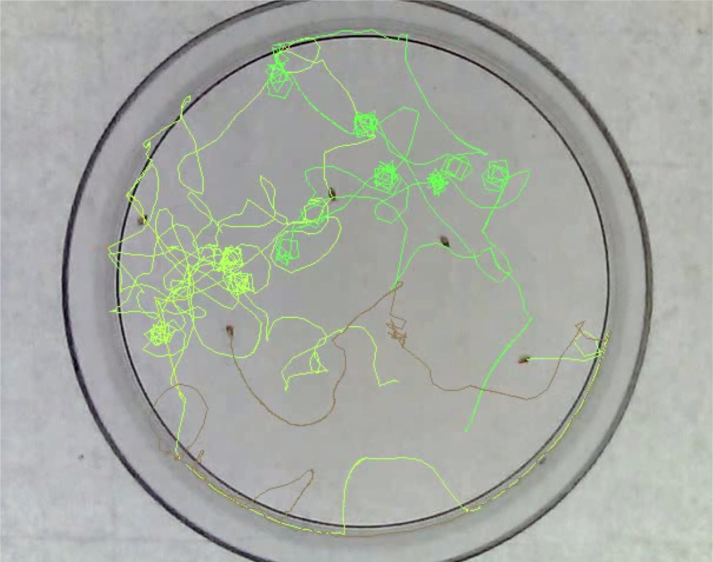
3. Modelling the effects of toxicants on behavior - a case study using Daphnia magna
In this presentation, an individual-based model (IBM) was used to simulate the behavioural effects of fungicide exposure on Daphnia magna. Experimental data on swimming speed, turning rate, and movement complexity were collected, and the model was trained and validated accordingly. Significant, dose-dependent behavioural changes were detected and successfully reproduced in silico. The modelling framework developed in this study was shown to be extendable to other toxicant groups, offering a valuable predictive tool in behavioural ecotoxicology.
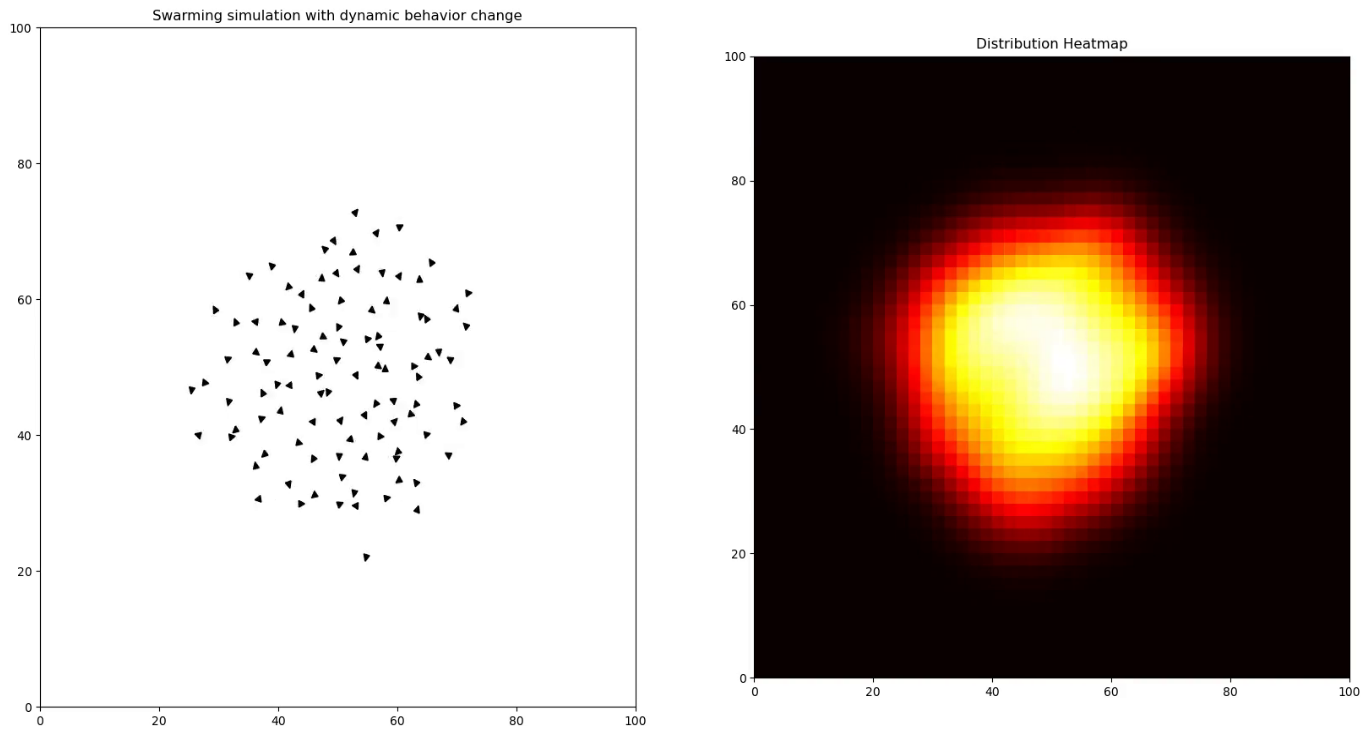
4. SwarmSim - Insect swarming simulation package based on IBMs
This presentation introduced SwarmSim, an open-source simulation package developed to study insect swarm behaviour using individual-based models (IBMs). SwarmSim was designed to simulate complex group dynamics in haematophagous insects such as mosquitoes and horseflies, incorporating intelligent, learning-capable agents. It was demonstrated how swarm coordination, host-seeking, and the influence of environmental factors such as wind and temperature could be realistically modelled. SwarmSim was presented as a flexible research tool to better understand the collective behaviour of medically important insect species.